
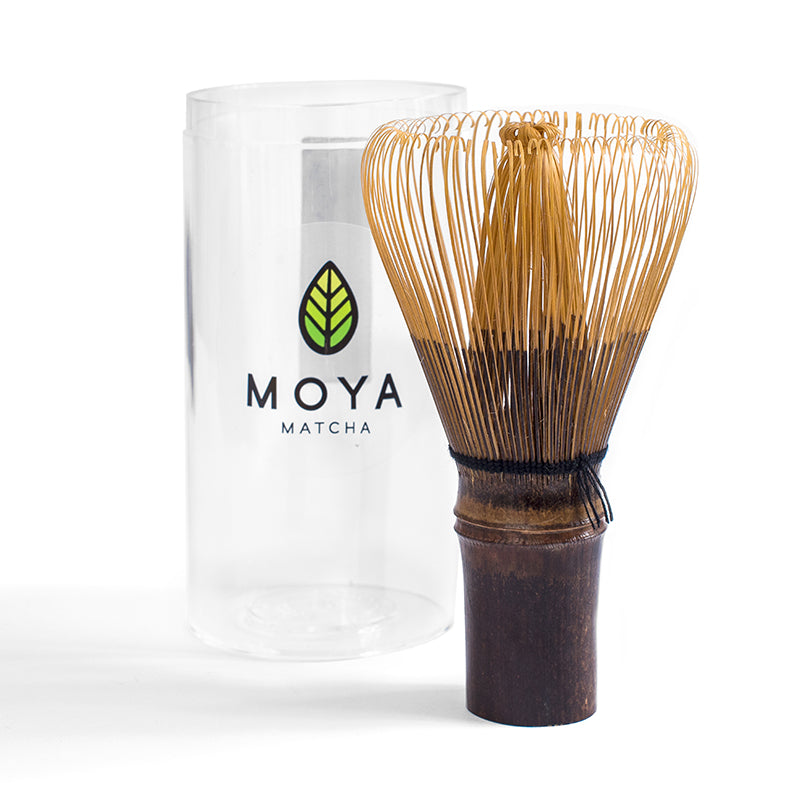
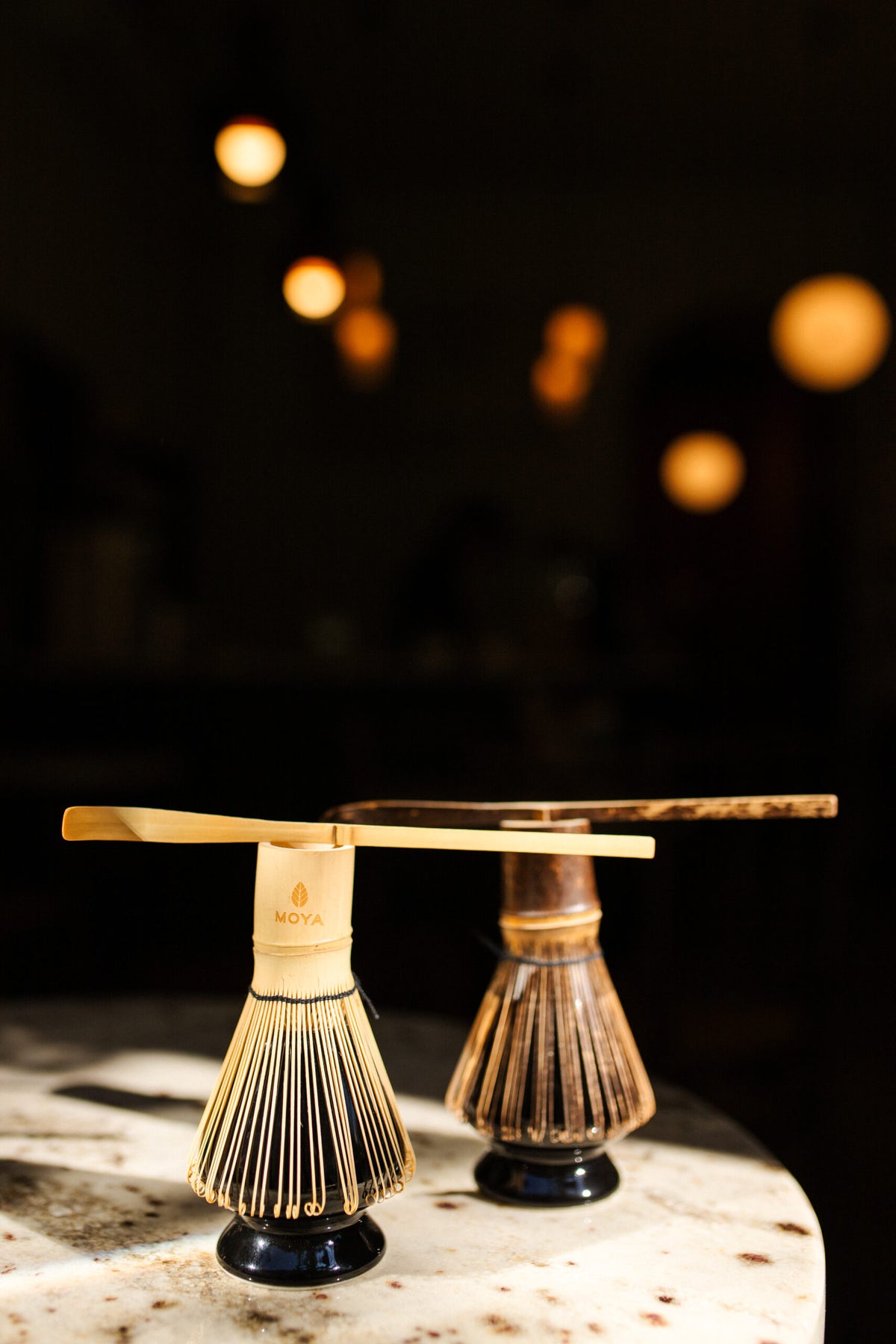
Chasen - dark bamboo matcha whisk
Traditional bamboo whisk for matcha preparation
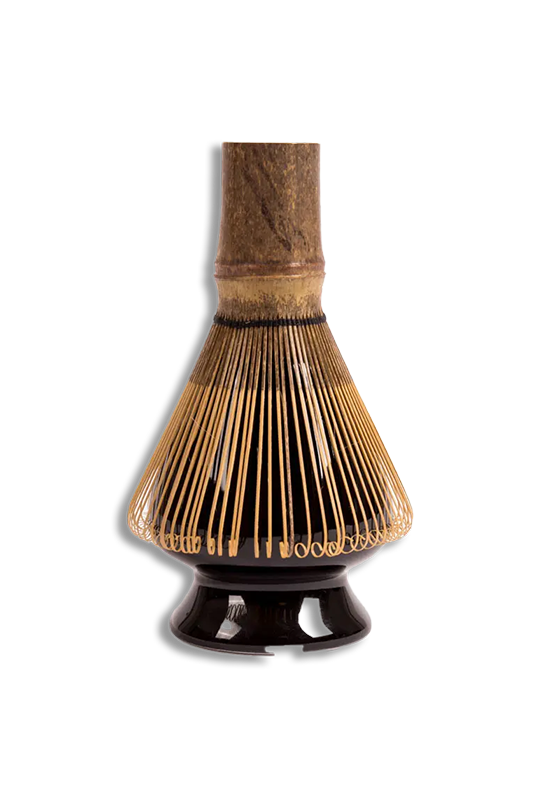
\nAfter use best to dry on dedicated chasen holder (sold separately). Do not place a wet chasen in the cardboard container or any other closed container
Lowest price in 30 days: €13,90
Free deliveryfrom 35 EUR
Fast shippingwe ship within 24 hours
Secure paymentpay via PayU
Up to 20% offfor regular customers
Choose options
Chasen - dark bamboo matcha whisk
Traditional bamboo whisk for matcha preparation
\nAfter use best to dry on dedicated chasen holder (sold separately). Do not place a wet chasen in the cardboard container or any other closed container
Lowest price in 30 days: €13,90
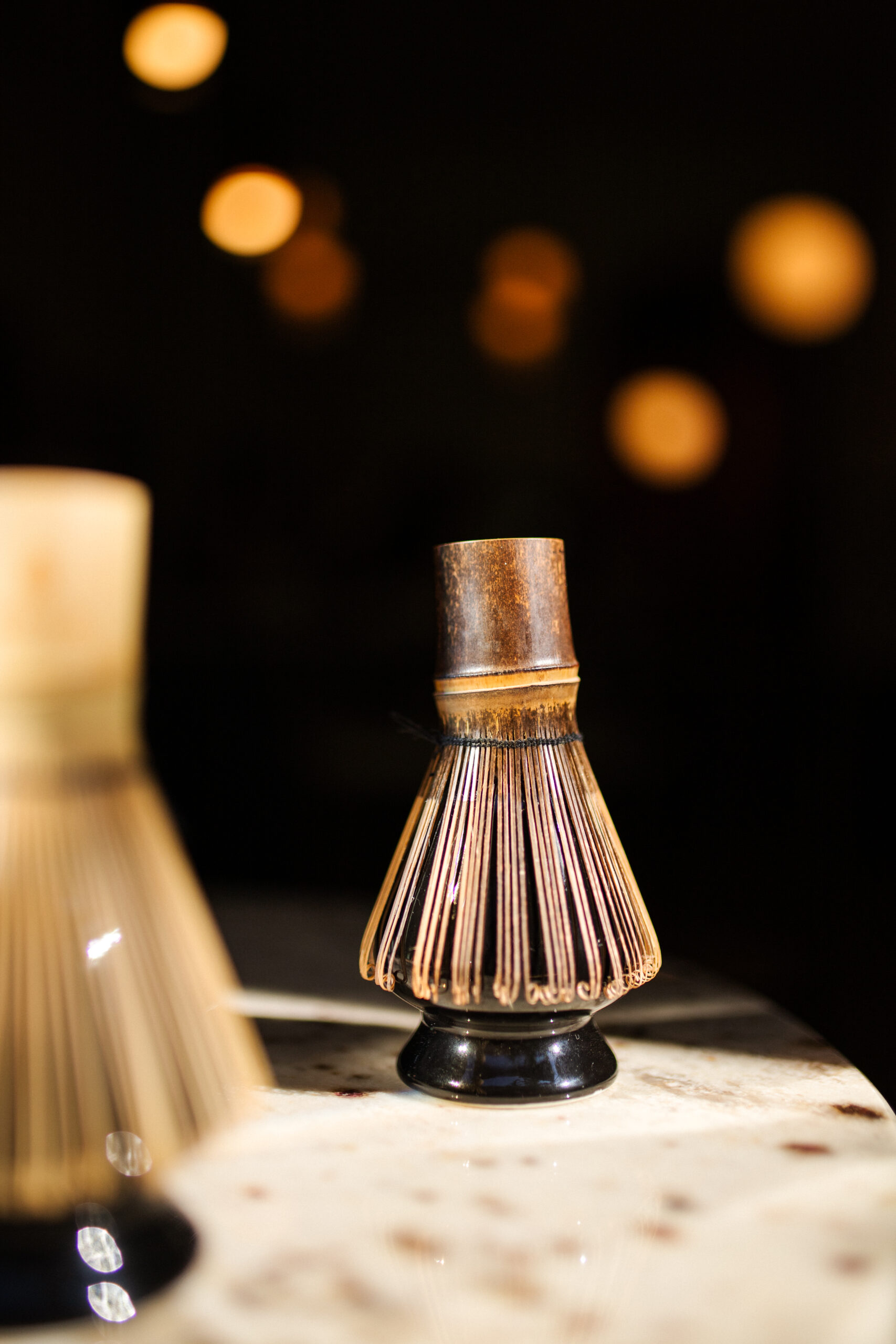
Dark bamboo matcha whisk chasen
\n\n\n\nA traditional whisk used in the Japanese tea ceremony to froth matcha. Handcrafted from a single piece of dark bamboo, this whisk, also referred to as a broom or a brush, features precise incisions which form flexible prongs. These prongs are gently curved at the bottom, gathered at the top, and finished with a wooden handle. The chasen works best with a traditional matcha bowl, whose vertical walls and wide bottom make it easy to blend matcha with water and quickly create a thin layer of foam on the surface. Note that the water temperature should not exceed 80°C.
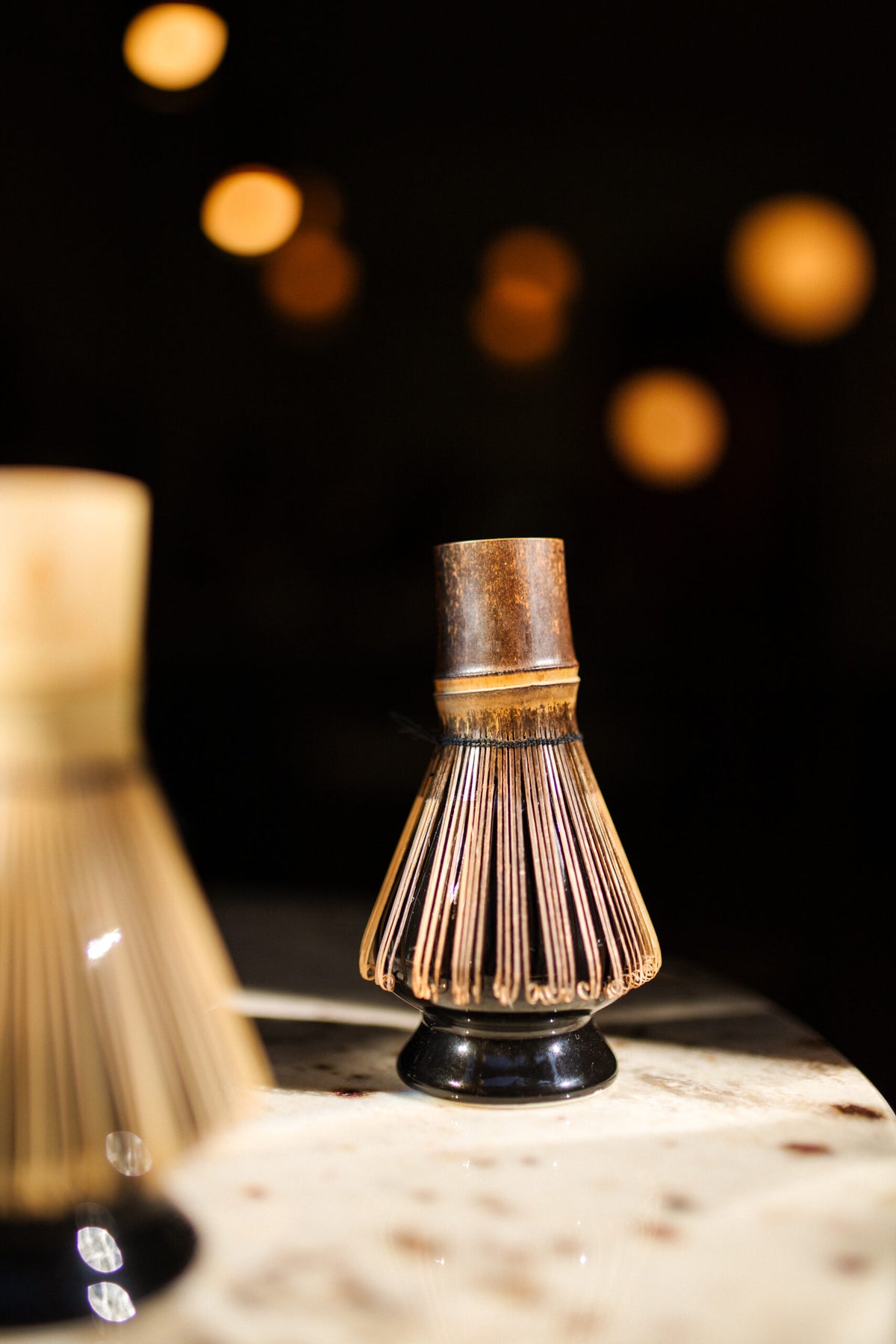
\n\n\n\nTo extend its lifespan and maintain its shape, store the chasen on a dedicated stand. Avoid storing it in plastic packaging or airtight containers, as this can cause mold to form on the bamboo handle.
\n\n\n\nNot dishwasher safe
\nDirections for matcha preparation:
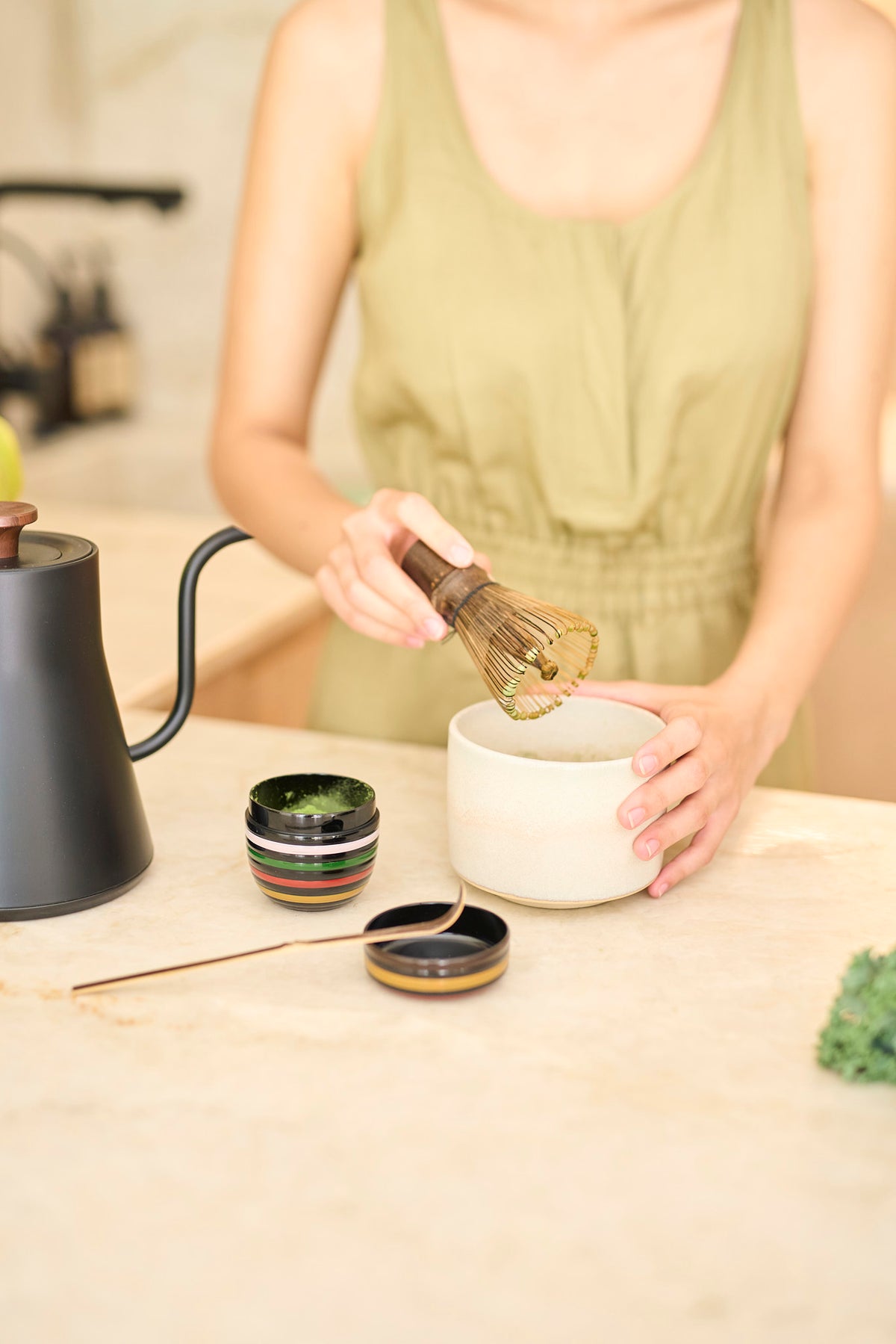
\n\n\n\nBegin by slowly whisking the matcha, gently moving the chasen’s prongs along the bottom of the bowl to thoroughly mix the matcha with water. Then, lift the chasen closer to the surface and make vigorous movements in a W or M shape for about 10-20 seconds. Remember to use only your wrist to avoid fatigue. A thin layer of foam should quickly appear on the surface. The perfect froth, known as “jasper mousse,” is achieved thanks to the many flexible bamboo prongs of the chasen. The more prongs, the easier it is to create a smooth, even foam layer. For best results, wet the broom in hot water before use and rinse after. As chasen naturally shrinks when drying, it becomes brittle and prone to damage. To prolong its life and maintain shape, store it on a special naoshi stand.
\n\n\n\nWatch how Hitomi Saito, cofounder of Moya Matcha, prepares perfect matcha.
\n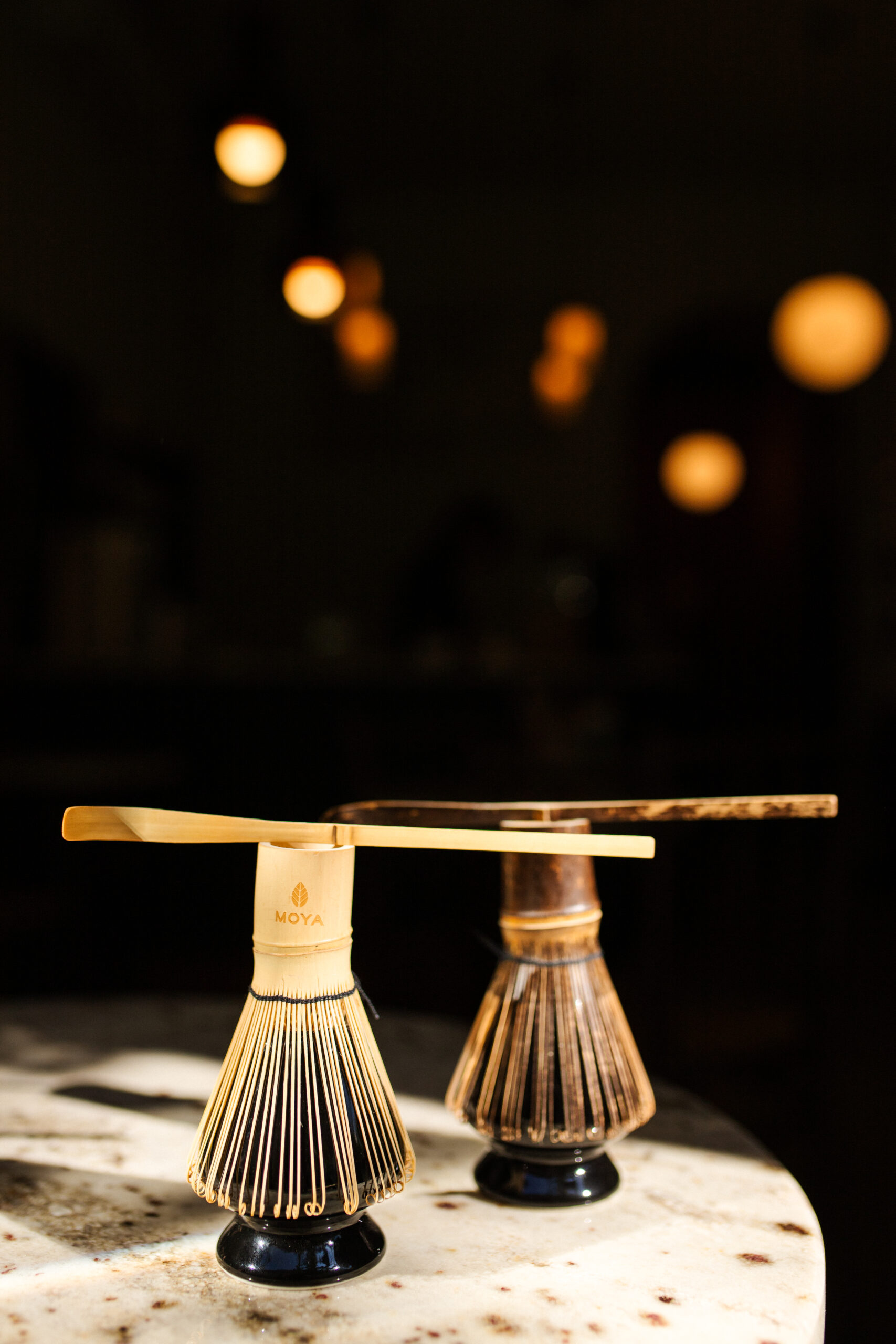
Compare our matcha types
From ceremonial to culinary matcha - choose the matcha that suits how you drink it
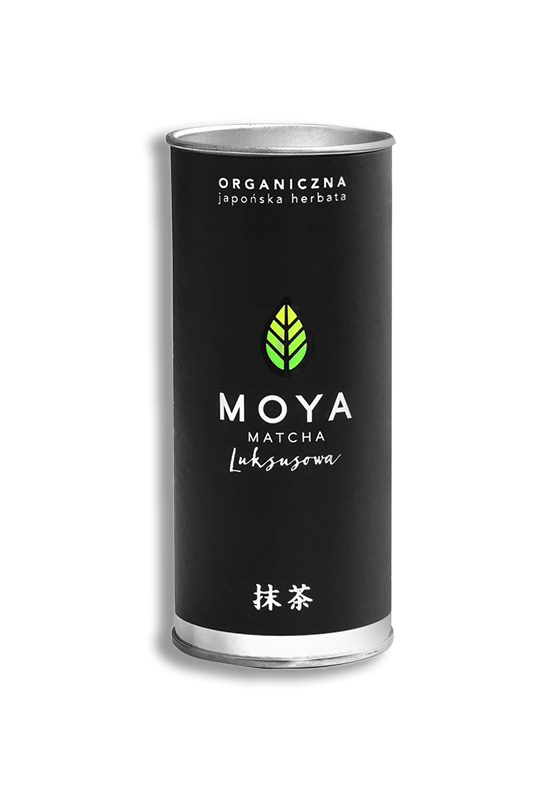
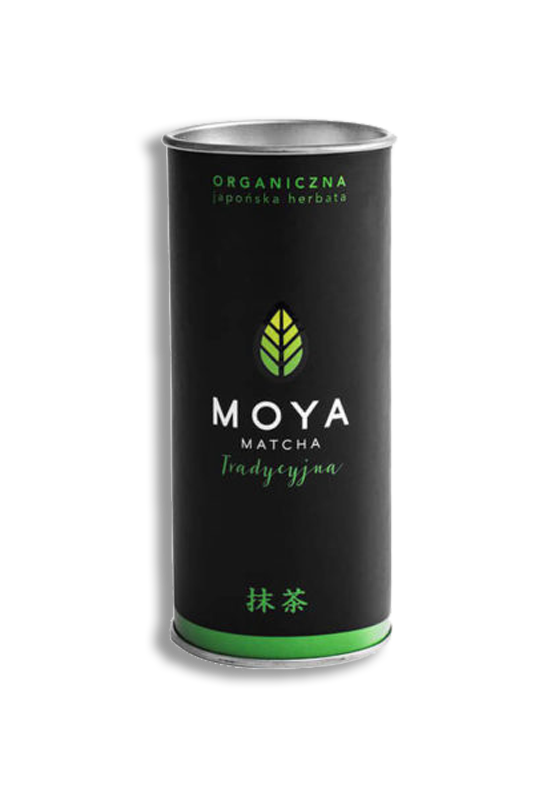
Traditional
Tea ceremony, with hot or cold water, matcha latte, cocktails and matcha drinks
Green shade
Umami
Bitterness
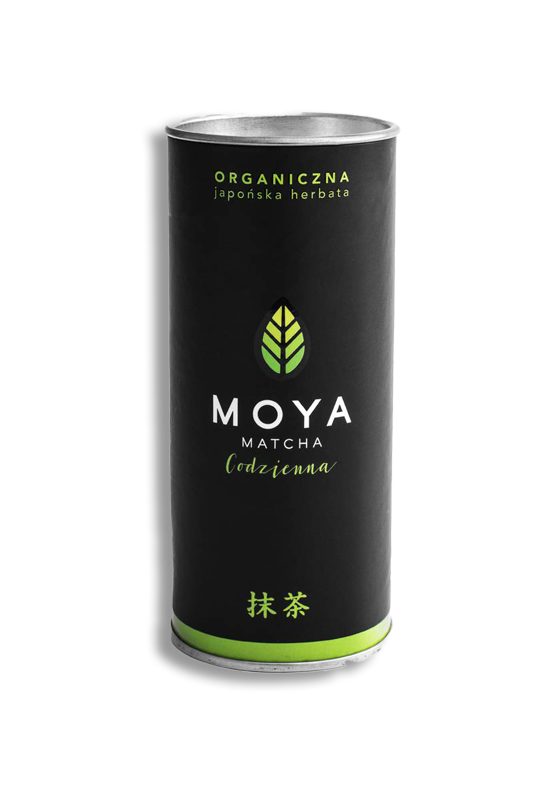
Daily
Matcha latte, lemonade, cocktails, baked goods, sweets, ice cream, chocolate
Green shade
Umami
Bitterness
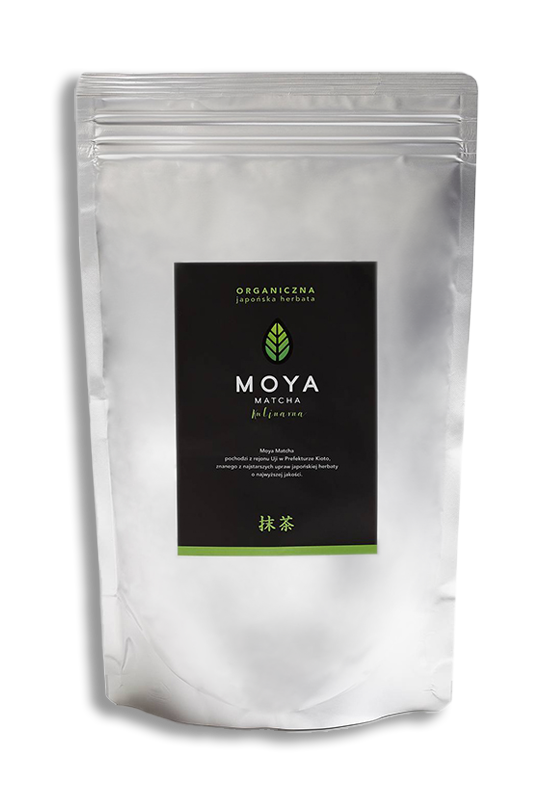
← swipe to see all →
FAQ
Would you like to learn more?
We suggest three ways to prepare matcha. The first is the traditional preparation in a bowl using a chasen whisk, using “M” or “Z” shaped motions. Matcha can also be prepared in a mug or bowl using a milk frother. The third way is to prepare matcha in a shaker or bottle – simply add the matcha to the liquid and shake vigorously for 30 seconds. The optimal water temperature for matcha is approximately 80°C. Higher temperatures will cause the matcha to lose its nutritional value. You can also easily prepare matcha in cold water. The optimal amount of matcha is about 1.5 g of powder per 200-250 ml of liquid.
The most versatile and frequently chosen option is Moya Matcha Traditional. It comes from the first and second harvest of leaves, which contributes to a moderate level of bitterness and a distinct umami taste. It is an excellent choice for drinking with water as well as in the form of matcha lattes and smoothies. For experienced matcha connoisseurs, we recommend Matcha Premium from the first harvest, which is perfect for drinking with water and contains the most nutrients. If you like an intense flavour and use matcha mostly for matcha lattes, smoothies, desserts, and baked goods, choose Matcha Daily, which comes from the second and third harvest.
Matcha is very sensitive to sunlight and high temperatures, which can cause it to lose its properties. Matcha should be stored in its original, sealed packaging in a shaded, cool place, preferably in the refrigerator. This will ensure it stays fresh for a long time.
Loose-leaf tea is consumed as an infusion, meaning what the leaves release into the water. Matcha, on the other hand, consists of powdered tea leaves that are consumed in their entirety after being mixed with liquid. By drinking matcha, you are therefore consuming the whole leaves. In this way, all the nutrients contained within them enter your body. Furthermore, matcha is several times more potent than loose-leaf tea.
Be inspired
Matcha recipes
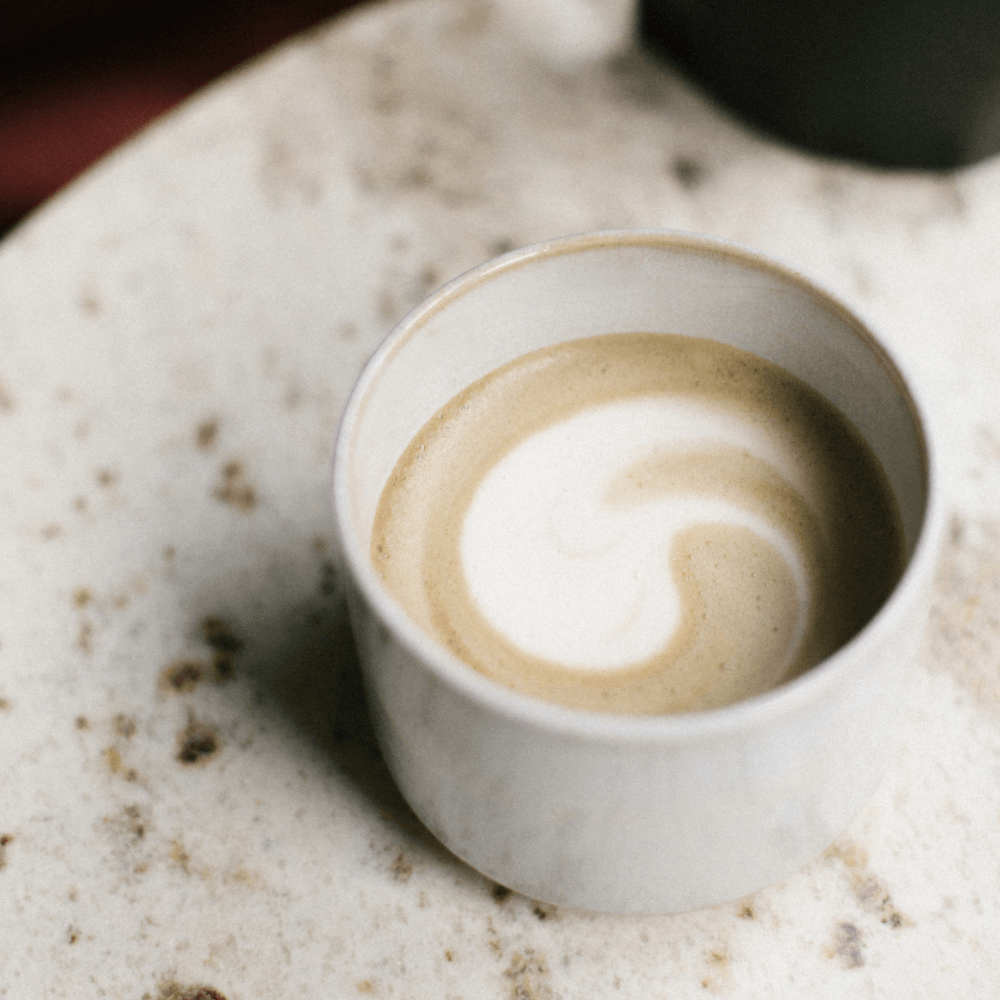
Hojicha latte has plenty of fans all over the world. It's made using powdered hojicha, a little water, and frothed milk. But before we get to drinking it, it's worth explaining what this powder act...
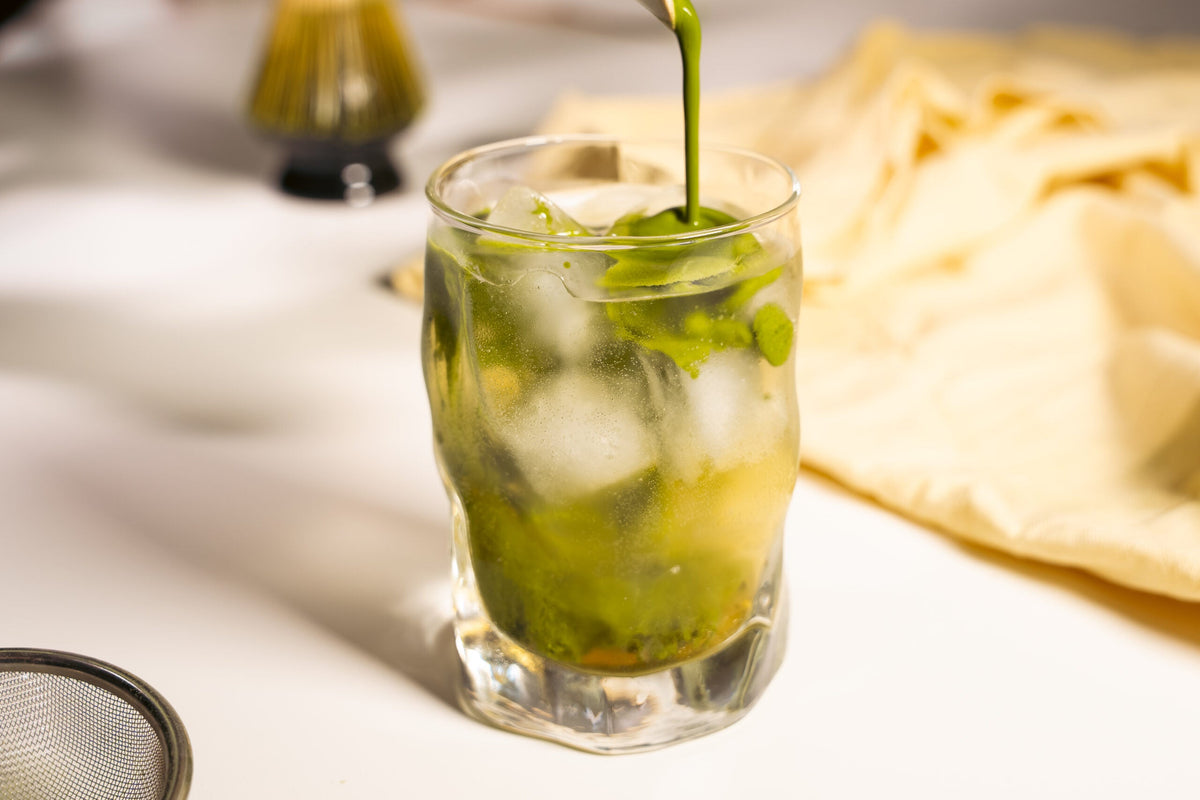
A sparkling refresher for the hottest days. Homemade jasmine syrup, fizzy bubbles, and vibrant green matcha come together in one glass to create a drink as light as a summer breeze. Jasmine's flor...
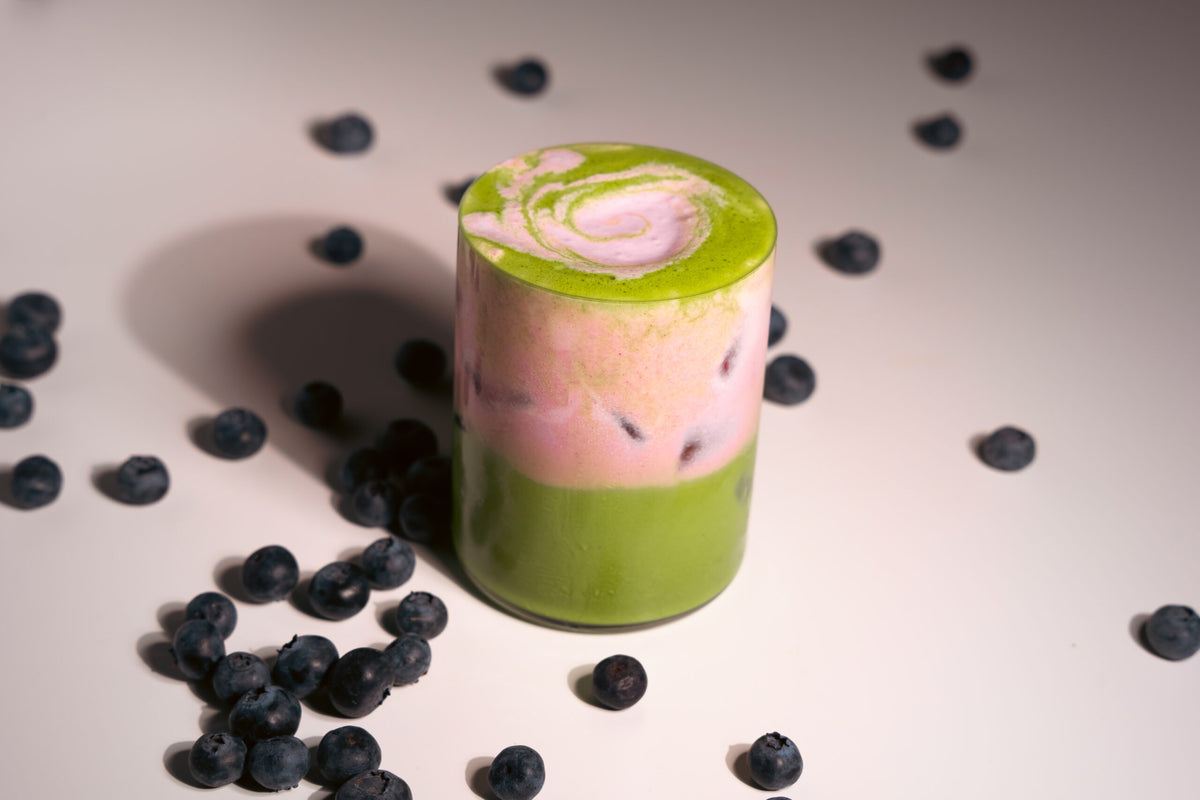
Iced matcha that looks like a summer sunset captured in a glass. A layer of cool milk, vividly green matcha, and a fluffy blueberry foam on top come together to create a drink that's every bit as b...
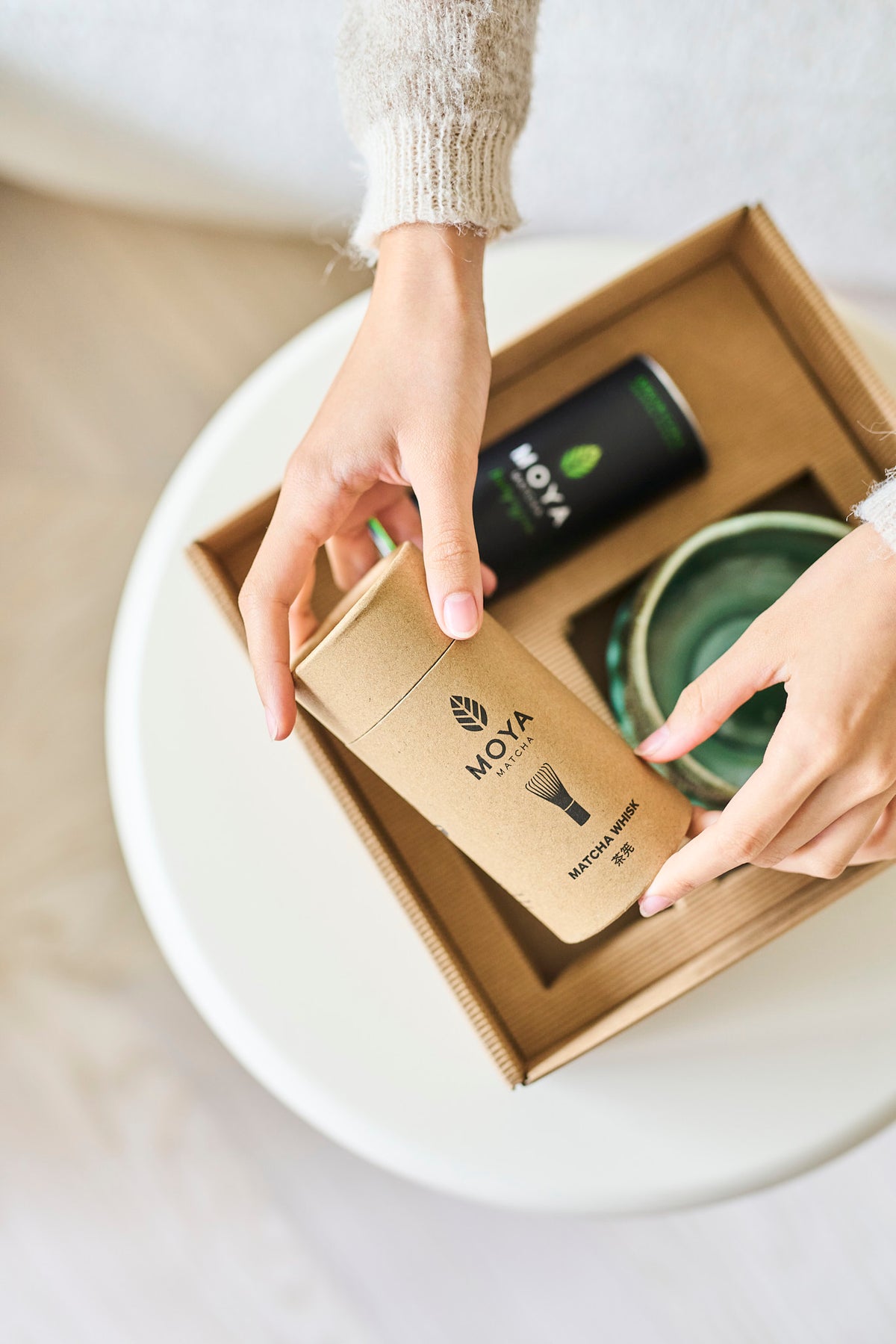
Set builder
Create the perfect set
Perfect as a gift or to start your matcha ceremony journey – build a set exactly the way you want.
We share knowledge
Get to know matcha better
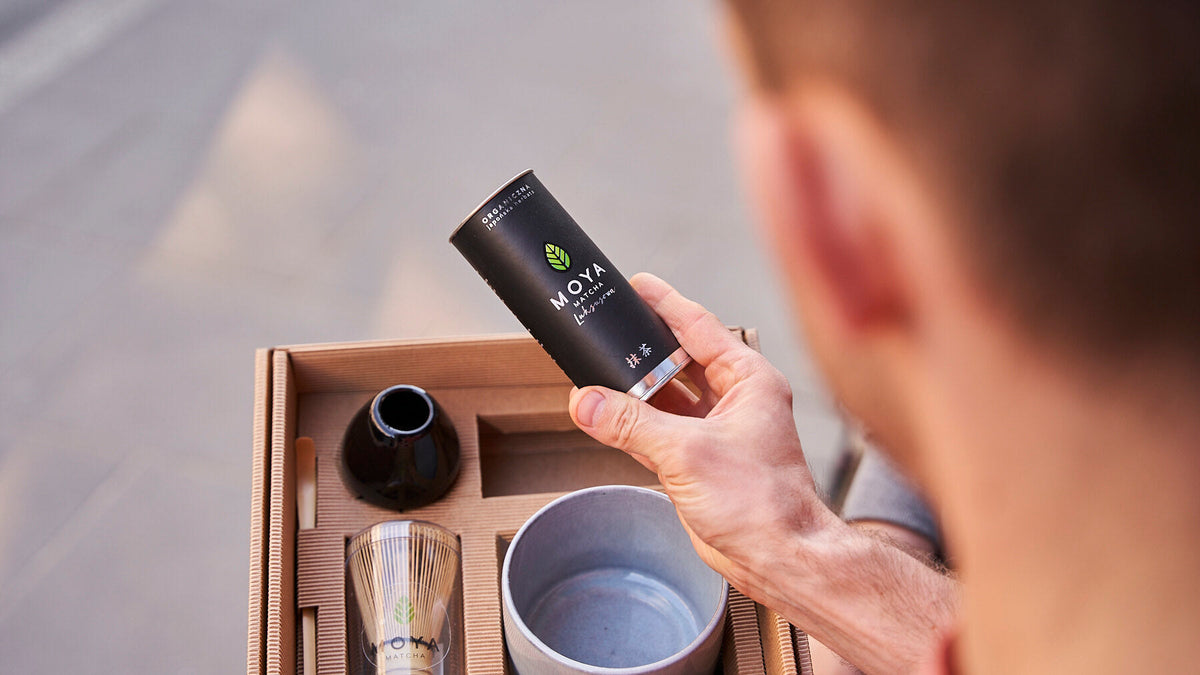
Matcha set – what’s inside and which one should you choose?
Preparing matcha is a special moment in your day — a chance to pause and unwind. Moya matcha sets will help you begin your journey with this drink or deepen your daily ritual, whether your approach...
Read
Hojicha vs matcha – what's the difference and which should you choose?
Hojicha is a roasted green tea with a nutty, caramel flavour, made from a blend of other green teas such as bancha and kukicha. Matcha, on the other hand, is made from the powdered leaves of tea bu...
Read
Which matcha should I choose for lattes, and which for baking?
Ceremonial matcha comes from the first harvest and is drunk with water, while culinary matcha comes from later harvests. As the name suggests, it is best used as an ingredient in baked goods or des...
Read