

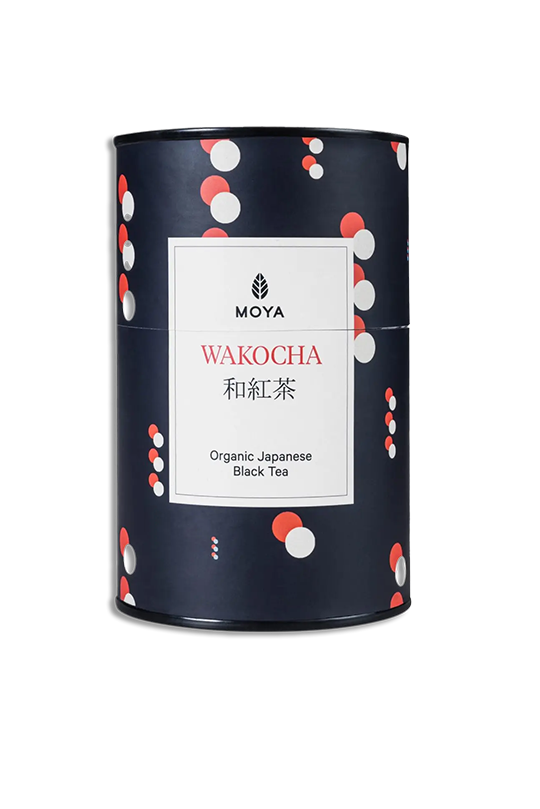
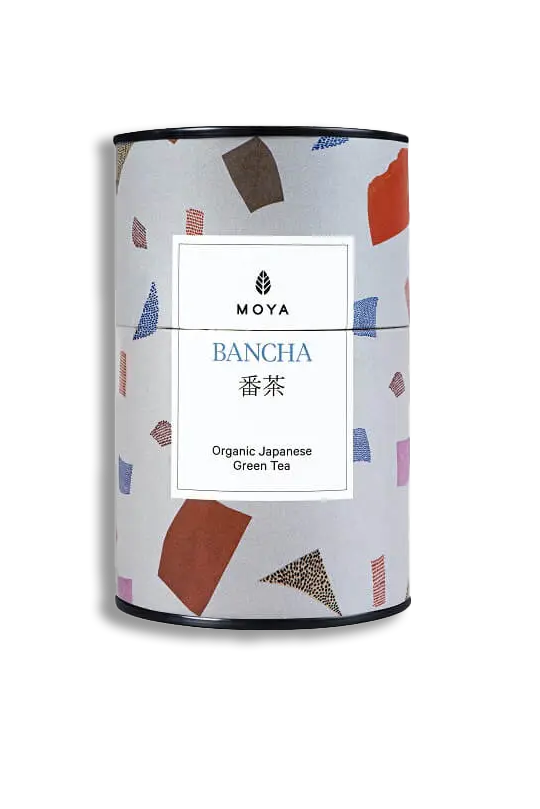
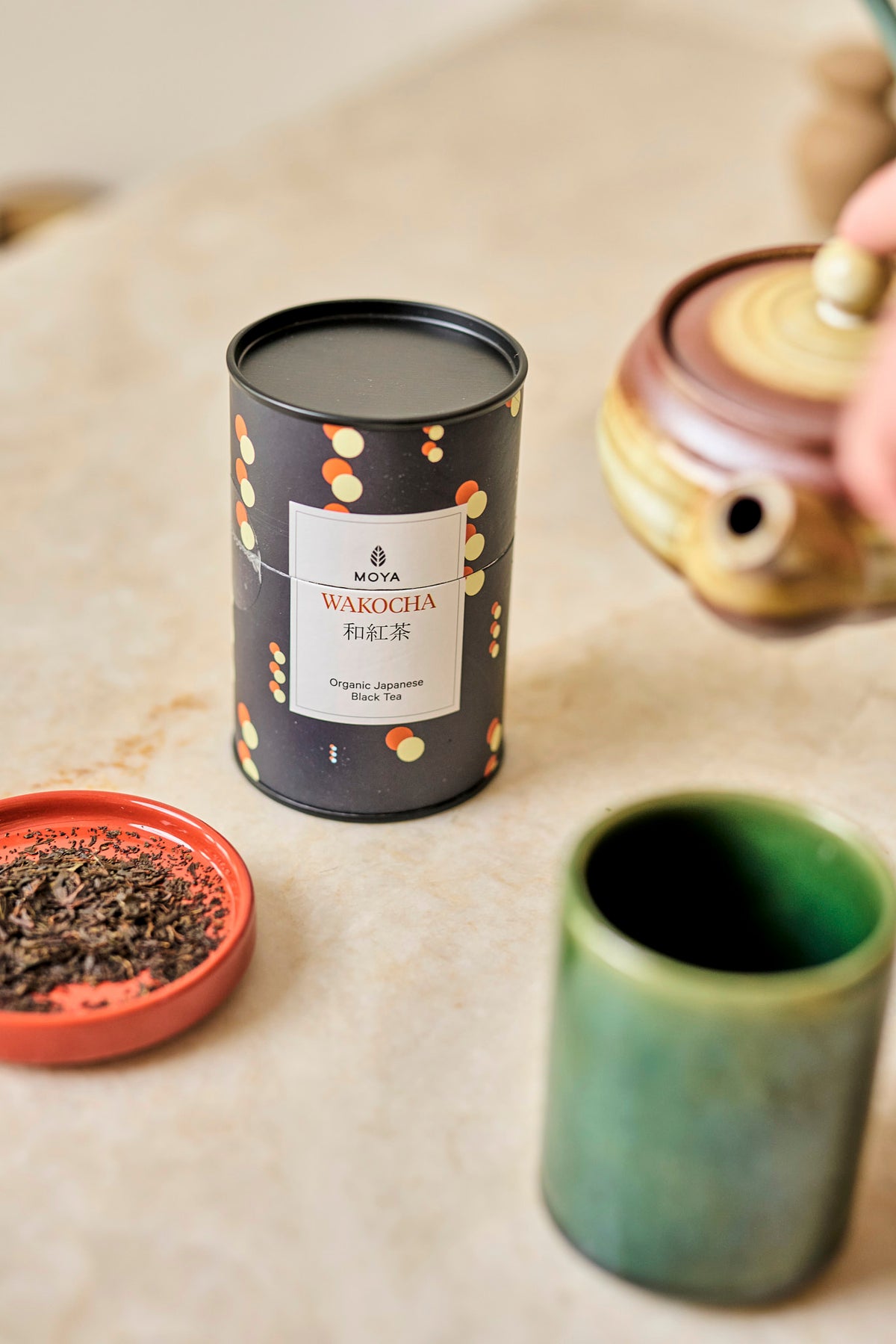
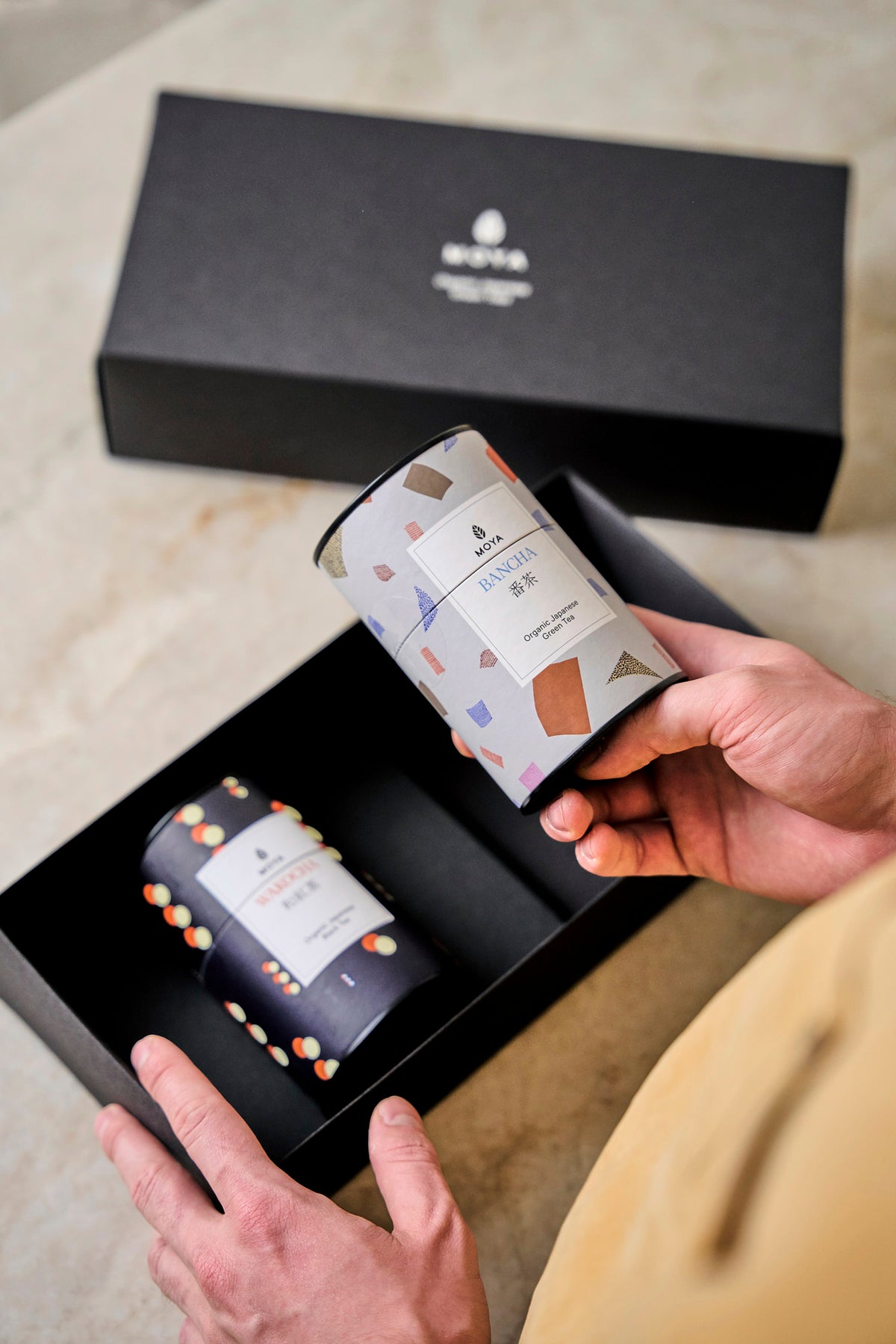
Wakocha & Bancha Moya leaf tea set
Moya organic Wakocha & Bancha set in an elegant black paper box
Lowest price in 30 days: €19,95
Free deliveryfrom 35 EUR
Fast shippingwe ship within 24 hours
Secure paymentpay via PayU
Up to 20% offfor regular customers
Choose options
Wakocha & Bancha Moya leaf tea set
Moya organic Wakocha & Bancha set in an elegant black paper box
Lowest price in 30 days: €19,95
Tea set Wakoucha & Bancha
A carefully selected duo of the highest-quality Japanese teas in an elegant and eco-friendly package made of black stiff paper. Each tea is unique in its way and complements the other perfectly. Japanese Wakoucha leaf black tea, with its floral flavor and crimson color, remains a rarity. Bancha green tea, on the other hand, is very popular in Japan and is suitable to be enjoyed any time of the day due to its low caffeine content and pleasant taste.
Bancha: Japanese every day tea
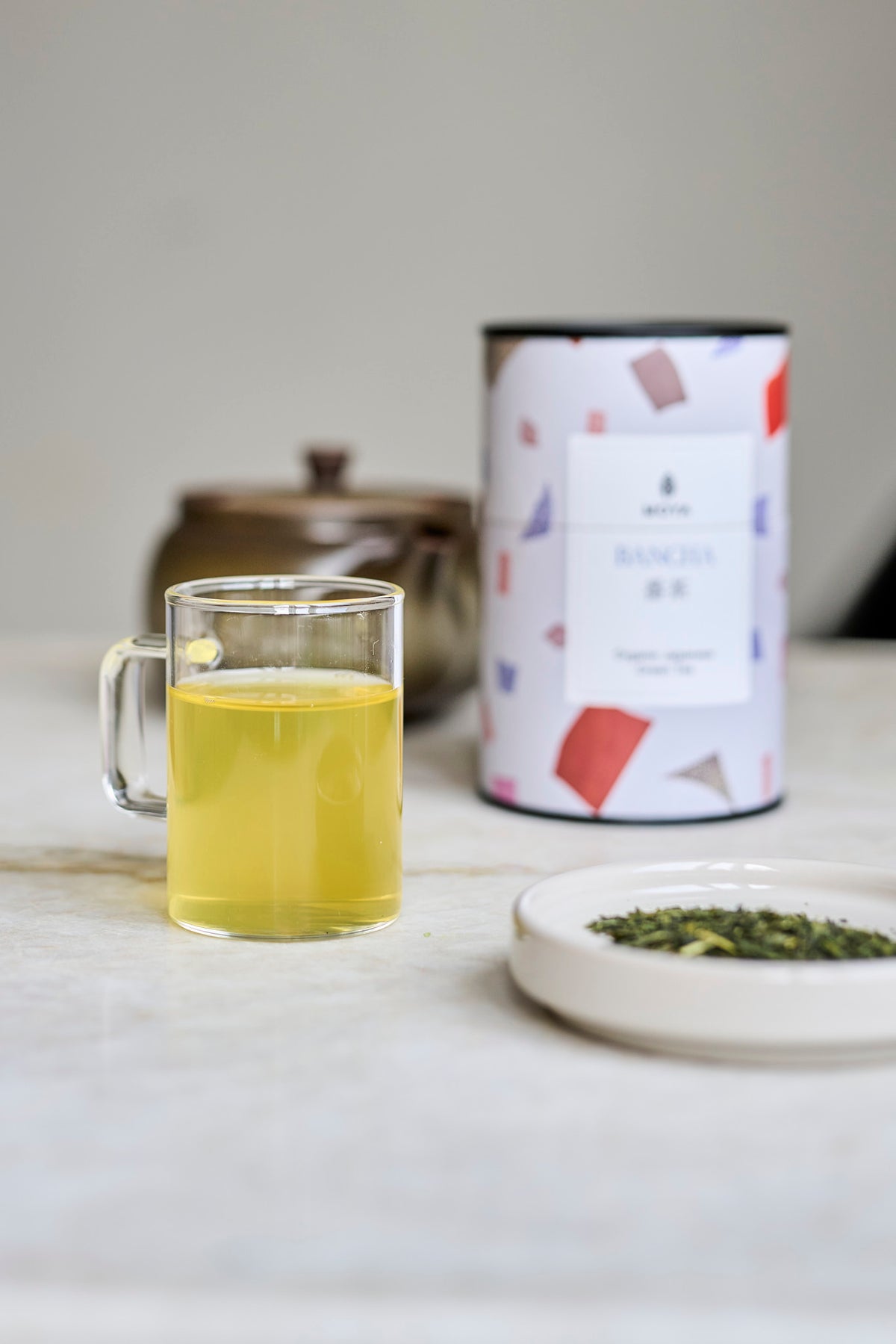
Bancha is a green tea with a golden-yellow tint. It has a slightly acidic flavour and a distinct walnutty aftertaste, which is a result of the high content of tannins. The name bancha (番茶) derives from words „ban” and „cha”. In Japanese, „cha” means „tea”, while „ban” can be understood as something „daily”, „popular” or „late”. The last meaning refers to late crops of Bancha leaves that are harvested from the lower parts of tea bushes. Moya Bancha is organically cultivated on the island of Kyushu.
In Japan, bancha is considered to be an everyday tea and is often served with meals. It can be drunk all day long because it contains 70% less caffeine than gyokuro. Due to the extended photosynthetic cycle, bancha is characterized by a higher level of tannins than other teas. Tannins – also known as tannoids – have anti-inflammatory and detoxifying effects. Just like other Japanese green teas, bancha is a rich source of catechins and antioxidants. Drinking bancha is good for the digestion, and it also delays the ageing processes, helps to get rid of toxins, keeps the sugar levels in check, reduces bad cholesterol and improves overall dental health. Its leaves contain easily absorbed vitamin C, beta-carotene, folic acid, potassium, calcium and phosphorus.
Wakoucha: black tea from Japan
The taste of this black leaf tea is truly exquisite, slightly flowery, with noticeable honey and spice undertones. The term „kou-cha” 紅茶 can be translated as „a tea of crimson colour”. Such designation was coined thanks to Japanese soft water, which would turn dark red with a hint of blue, when infused with black tea’s leaves. That’s also why, in the past, wakocha was referred to as „red tea”. When brewed in water of medium hardness, more typical of the European countries, the tea takes on a colour of dark amber. Moya Wakocha is cultivated and processed in the Mie region on the island of Honshu.
Black tea wakocha is ideally suited as a companion for meals and desserts, the sweetness of which is subtly broken with the tea’s bitter undertones. Just as any other black tea, wakocha, once harvested, undergoes the process of drying and fermentation, which sets it apart from green teas. The results of this process are wakocha’s dark colour, slightly earthy flavour and reduced caffeine content, when compared to e.g. green tea sencha. Drinking black tea aids digestion system. Infusion of wakocha can be a source of amino acids, beta-carotene, folic acid, potassium, calcium, and phosphorus. As there aren’t many farmers in Japan, who would decide to cultivate and process black tea, Japanese wakocha remains an uncommon delicacy.
Compare our matcha types
From ceremonial to culinary matcha - choose the matcha that suits how you drink it
Traditional
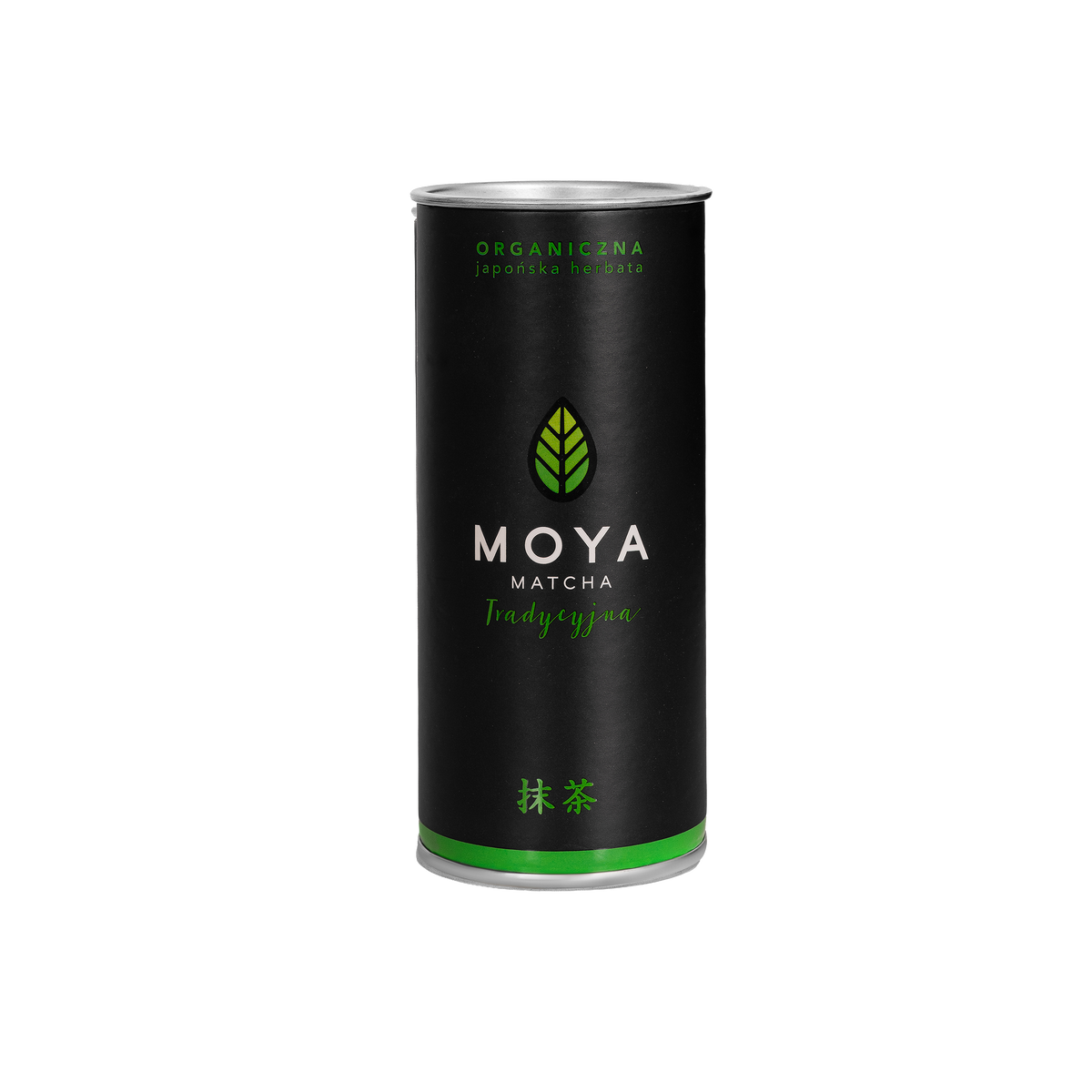
Tea ceremony, with hot or cold water, matcha latte, cocktails and matcha drinks
Green shade
Umami
Bitterness
Daily
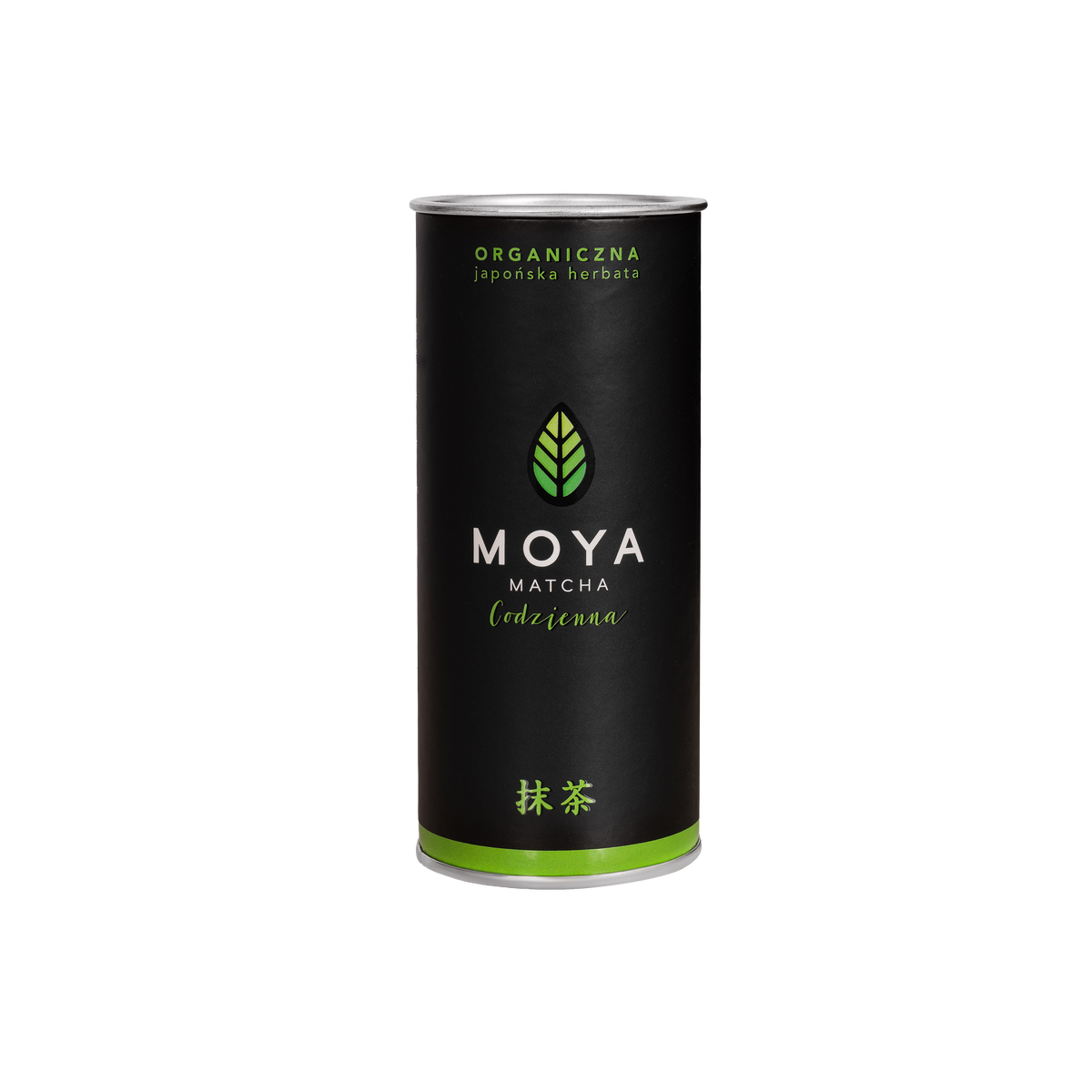
Matcha latte, lemonade, cocktails, baked goods, sweets, ice cream, chocolate
Green shade
Umami
Bitterness
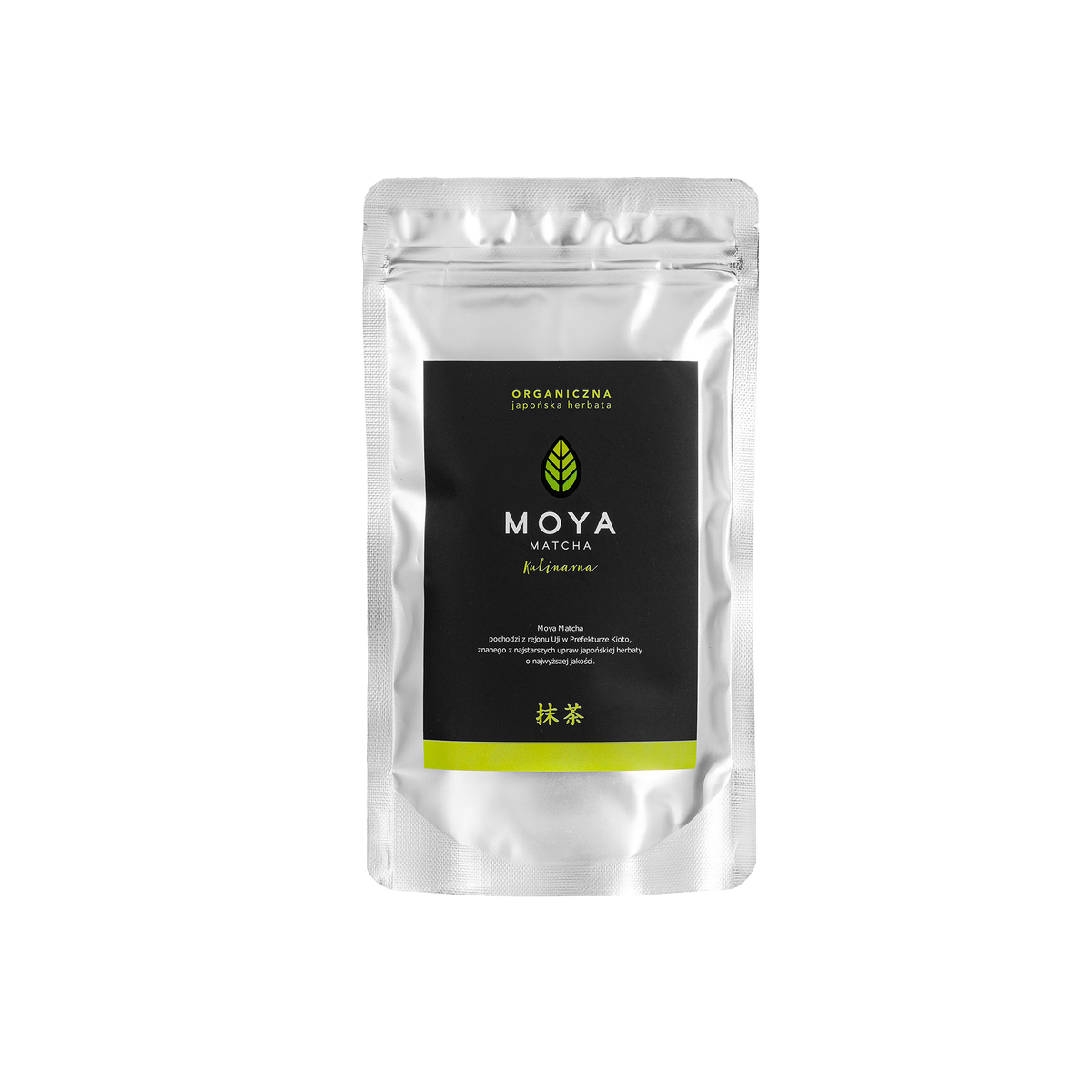
← swipe to see all →
FAQ
Would you like to learn more?
We suggest three ways to prepare matcha. The first is the traditional preparation in a bowl using a chasen whisk, using “M” or “Z” shaped motions. Matcha can also be prepared in a mug or bowl using a milk frother. The third way is to prepare matcha in a shaker or bottle – simply add the matcha to the liquid and shake vigorously for 30 seconds. The optimal water temperature for matcha is approximately 80°C. Higher temperatures will cause the matcha to lose its nutritional value. You can also easily prepare matcha in cold water. The optimal amount of matcha is about 1.5 g of powder per 200-250 ml of liquid.
The most versatile and frequently chosen option is Moya Matcha Traditional. It comes from the first and second harvest of leaves, which contributes to a moderate level of bitterness and a distinct umami taste. It is an excellent choice for drinking with water as well as in the form of matcha lattes and smoothies. For experienced matcha connoisseurs, we recommend Matcha Premium from the first harvest, which is perfect for drinking with water and contains the most nutrients. If you like an intense flavour and use matcha mostly for matcha lattes, smoothies, desserts, and baked goods, choose Matcha Daily, which comes from the second and third harvest.
Matcha is very sensitive to sunlight and high temperatures, which can cause it to lose its properties. Matcha should be stored in its original, sealed packaging in a shaded, cool place, preferably in the refrigerator. This will ensure it stays fresh for a long time.
Loose-leaf tea is consumed as an infusion, meaning what the leaves release into the water. Matcha, on the other hand, consists of powdered tea leaves that are consumed in their entirety after being mixed with liquid. By drinking matcha, you are therefore consuming the whole leaves. In this way, all the nutrients contained within them enter your body. Furthermore, matcha is several times more potent than loose-leaf tea.
Be inspired
Matcha recipes
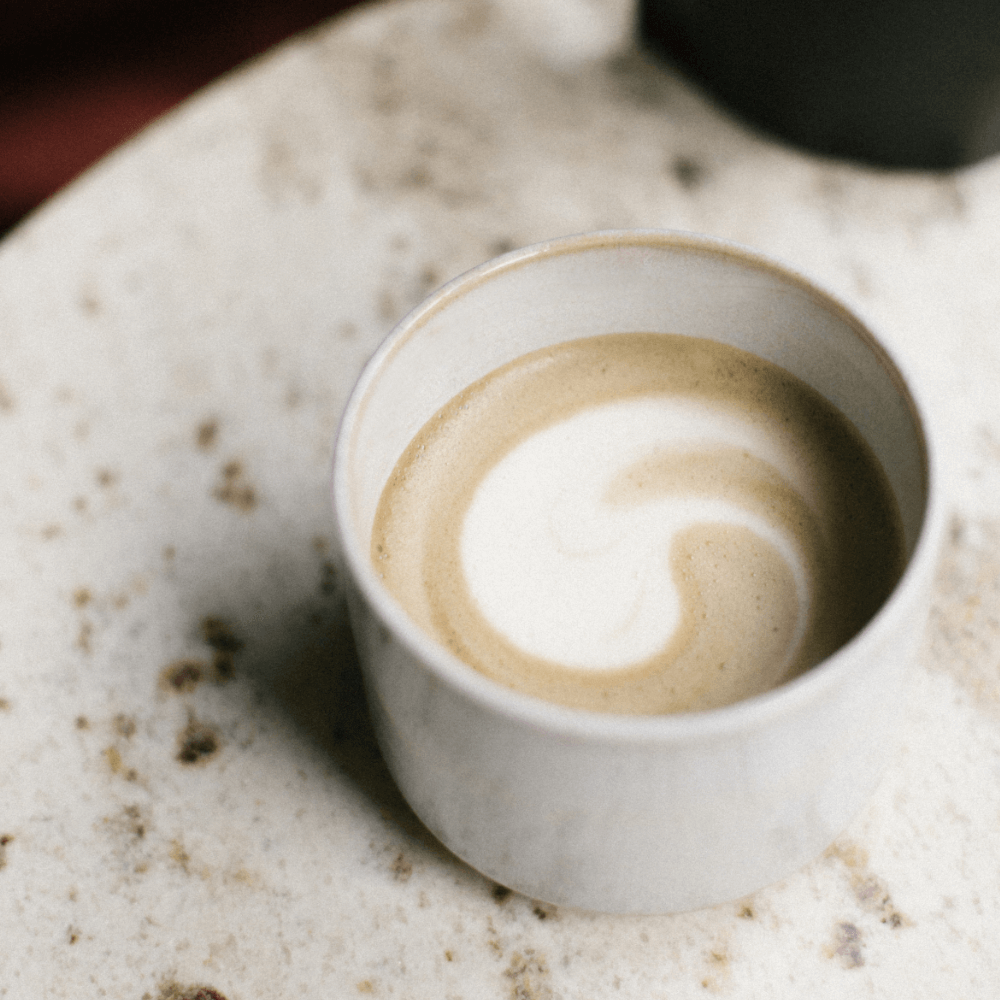
Hojicha latte has plenty of fans all over the world. It's made using powdered hojicha, a little water, and frothed milk. But before we get to drinking it, it's worth explaining what this powder act...
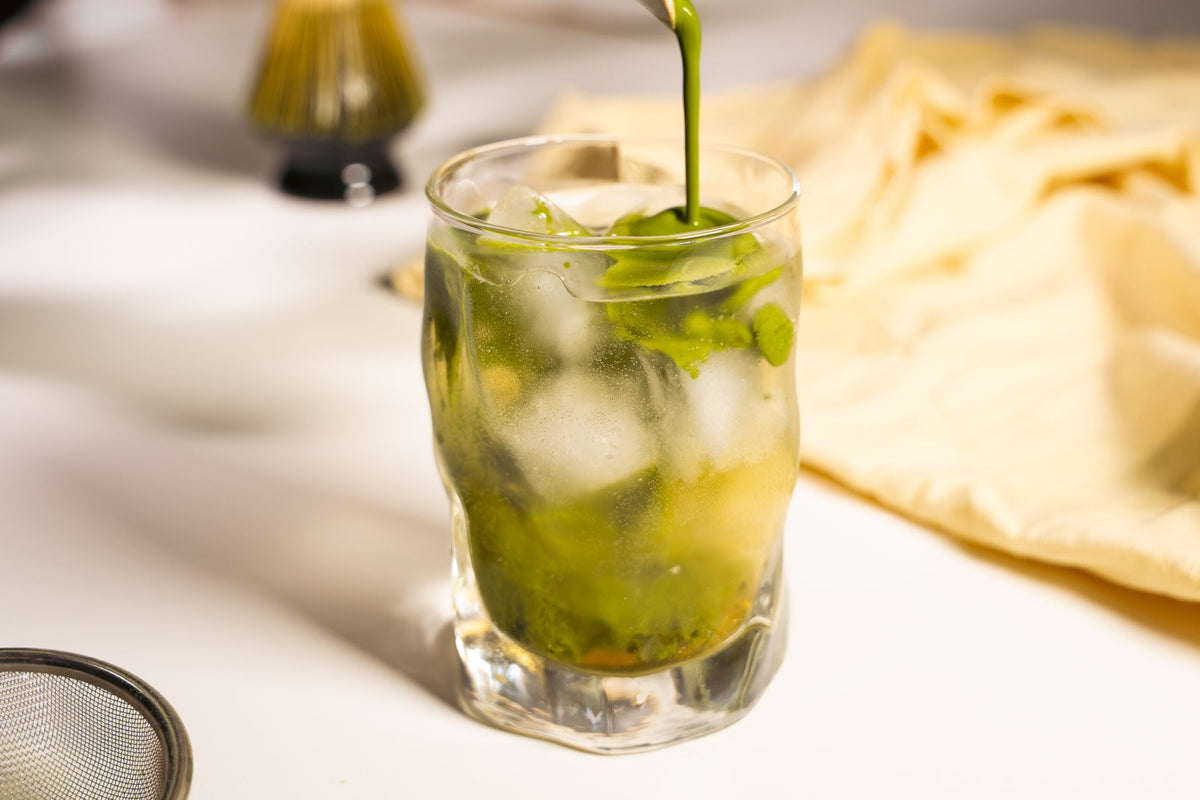
A sparkling refresher for the hottest days. Homemade jasmine syrup, fizzy bubbles, and vibrant green matcha come together in one glass to create a drink as light as a summer breeze. Jasmine's flor...
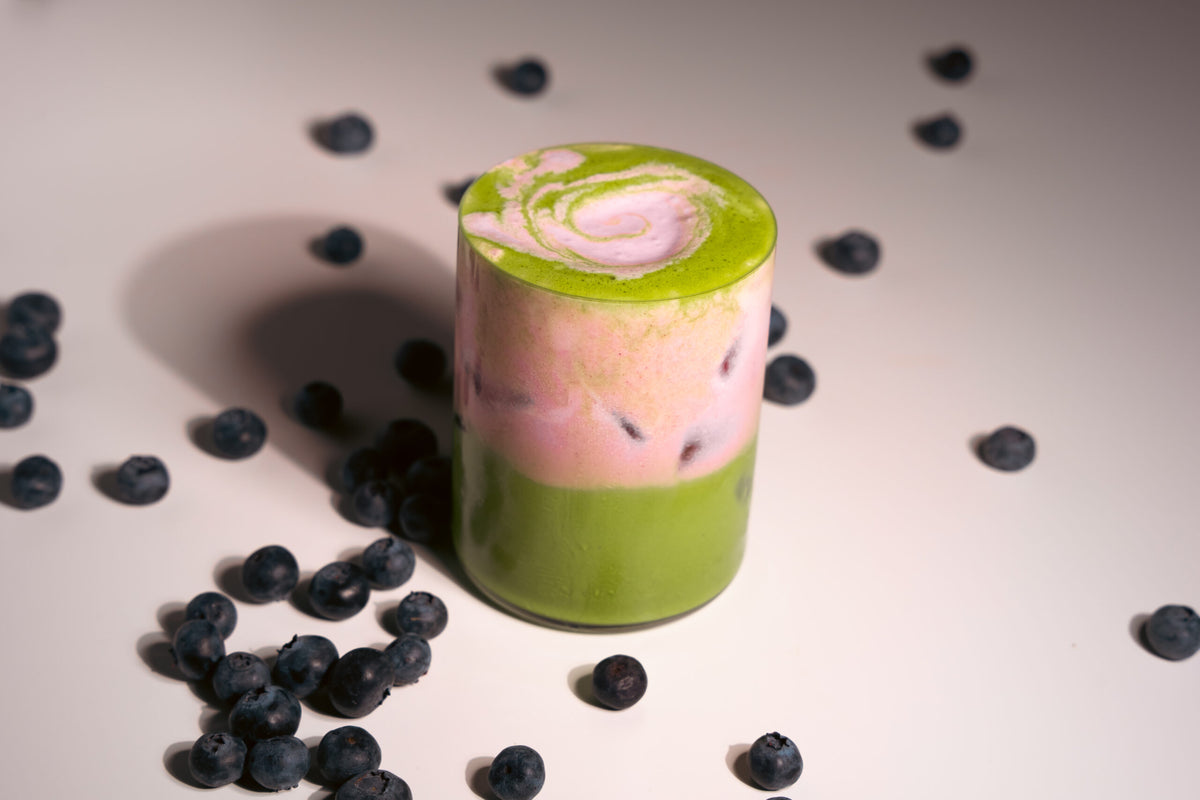
Iced matcha that looks like a summer sunset captured in a glass. A layer of cool milk, vividly green matcha, and a fluffy blueberry foam on top come together to create a drink that's every bit as b...
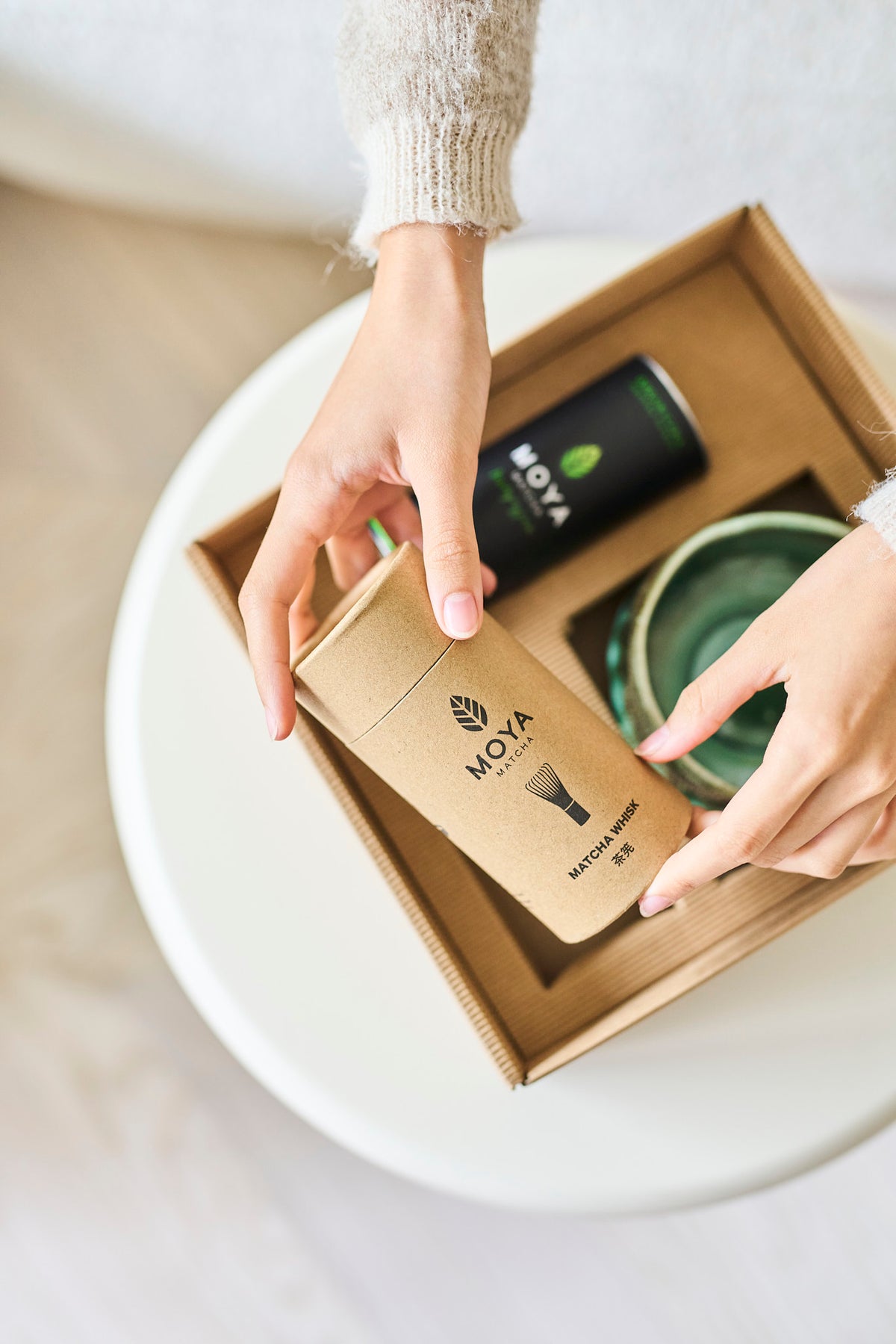
Set builder
Create the perfect set
Perfect as a gift or to start your matcha ceremony journey – build a set exactly the way you want.
We share knowledge
Get to know matcha better
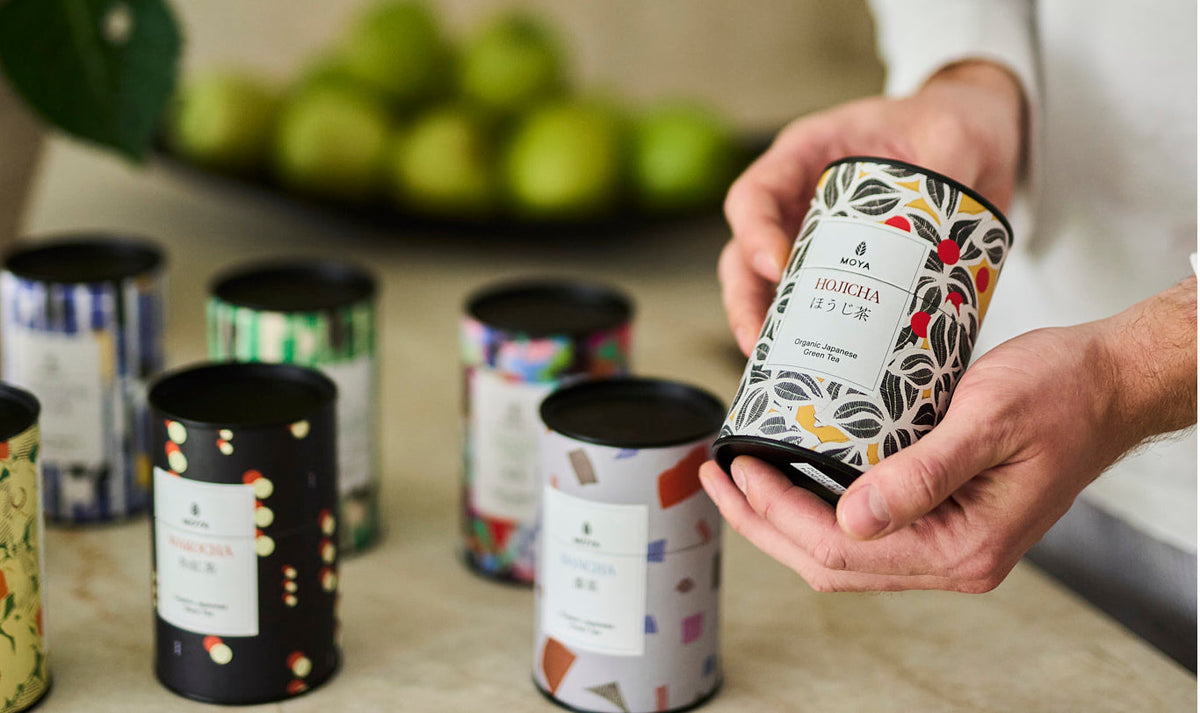
Sencha, bancha, kukicha, genmaicha, hojicha – którą japońską zieloną herbatę wybrać?
Sencha to klasyczna japońska herbata o świeżym, trawiastym smaku, a bancha o wyrazistym posmaku orzecha włoskiego. Kukicha składa się z łodyżek i gałązek, a genmaicha zasłynęła dodatkiem prażonego ...
Read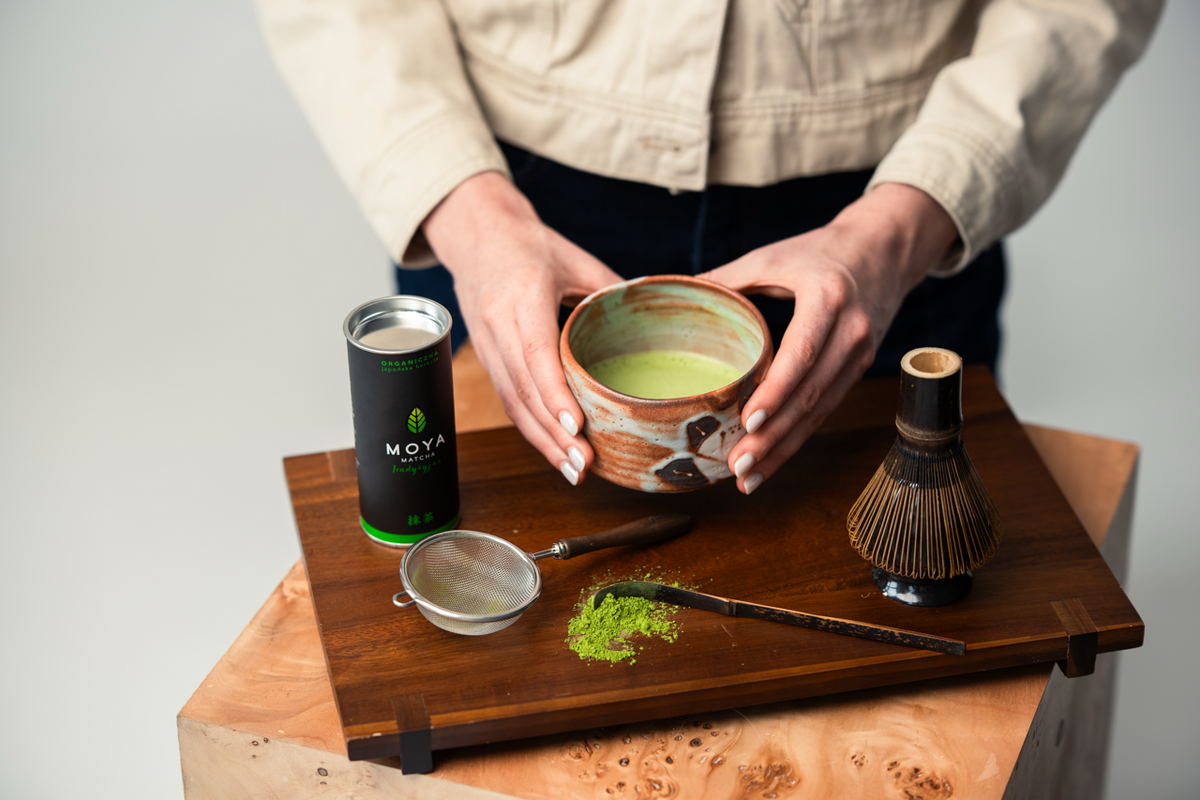
Matcha gift set – how to choose one and what to put inside?
A complete matcha set contains five basic elements – a bowl (matchawan), a bamboo spoon (chashaku) and a whisk (chasen), a whisk holder (naoshi) and good quality matcha. You can also add a strainer...
Read
Hojicha vs matcha – what's the difference and which should you choose?
Hojicha is a roasted green tea with a nutty, caramel flavour, made from a blend of other green teas such as bancha and kukicha. Matcha, on the other hand, is made from the powdered leaves of tea bu...
Read